


Essential Guide to Understanding Fleas and Ticks for Pet Owners
Fleas and ticks are more than just a nuisance for pets and their owners. These tiny parasites can cause discomfort, allergic reactions, and even serious diseases. Understanding how fleas and ticks live, how they affect your pets, and what you can do to protect your furry friends is crucial for every pet owner. This guide breaks down the essentials to help you keep your pets safe and healthy.

What Are Fleas and Ticks?
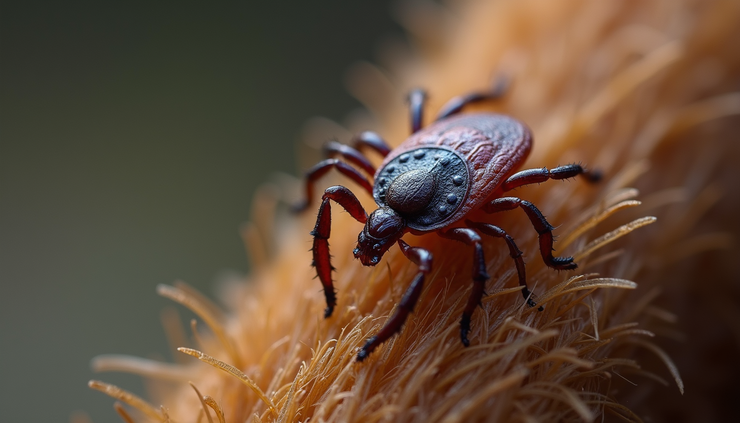
Fleas are small, wingless insects that feed on the blood of mammals and birds. They are about 1 to 3 millimeters long and can jump long distances relative to their size. Ticks are arachnids, related to spiders, and are usually larger than fleas. They attach themselves firmly to the skin of animals to feed on their blood.
Both fleas and ticks can live in your pet’s fur, but they also spend time in the environment, such as carpets, bedding, and grassy areas. Their life cycles include eggs, larvae, and adults, which means infestations can grow quickly if not controlled.
Why Fleas and Ticks Matter to Pet Owners
These parasites do more than just irritate your pet. Fleas can cause intense itching, hair loss, and skin infections. Some pets develop flea allergy dermatitis, a severe allergic reaction to flea bites. Ticks can transmit serious diseases such as Lyme disease, ehrlichiosis, and anaplasmosis, which can affect both pets and humans.
Pets with heavy infestations may suffer from anemia due to blood loss. Puppies and kittens are especially vulnerable because their small size makes blood loss more dangerous.
Signs Your Pet Might Have Fleas or Ticks
Knowing what to look for helps catch infestations early:
Excessive scratching or biting at the skin
Red, irritated patches or hair loss
Small black specks (flea dirt) on the skin or fur
Visible fleas or ticks on your pet’s body, especially around the neck, ears, and tail base
Restlessness or discomfort
Regularly check your pet, especially after outdoor activities. Use a flea comb to spot fleas or flea dirt.

How to Prevent Fleas and Ticks
Prevention is the best way to protect your pet. Here are practical steps:
Use veterinarian-recommended flea and tick preventatives such as topical treatments, collars, or oral medications.
Keep your pet’s environment clean by washing bedding regularly and vacuuming carpets and furniture.
Avoid walking pets in tall grass or wooded areas where ticks are common.
Trim grass and clear brush around your home to reduce tick habitats.
Check your pet daily for parasites, especially after outdoor exposure.
What to Do If Your Pet Has Fleas or Ticks
If you find fleas or ticks on your pet, act quickly:
Use a flea comb to remove fleas and flea dirt.
Bathe your pet with flea shampoo if recommended by your vet.
Remove ticks carefully with tweezers or a tick removal tool, grasping the tick close to the skin and pulling steadily without twisting.
Contact your veterinarian for advice on treatment options and to check for any diseases transmitted by ticks.
Treat your home and yard to eliminate fleas and ticks from the environment.
Common Myths About Fleas and Ticks
Some beliefs about fleas and ticks can lead to ineffective or harmful practices. Here are a few myths debunked:
Myth: Fleas only live on pets. Fleas spend much of their life cycle in the environment, so treating only the pet is not enough.
Myth: Ticks fall off after feeding. Many ticks stay attached for days and must be removed carefully to prevent infection.
Myth: Flea collars alone protect pets. Some collars help, but they are often not enough without additional treatments.
Myth: Fleas and ticks are only a problem in summer. These parasites can be active year-round, especially indoors or in mild climates.
Final Thoughts on Protecting Your Pet
Fleas and ticks pose real risks to pets and their owners. Regular checks, preventive treatments, and maintaining a clean environment are key to keeping these parasites at bay. If you suspect your pet has fleas or ticks, prompt action can prevent discomfort and serious health issues.

Comments